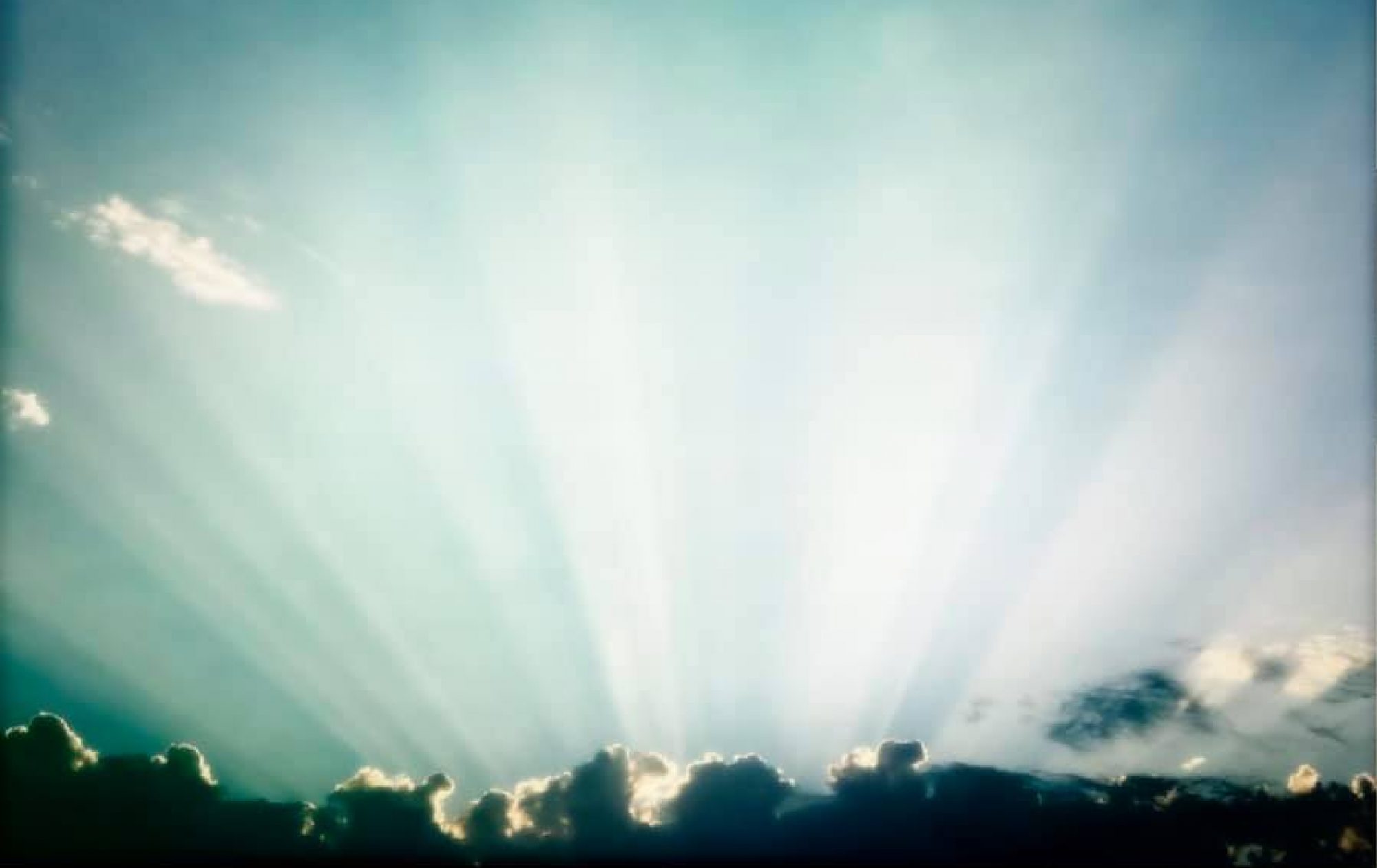
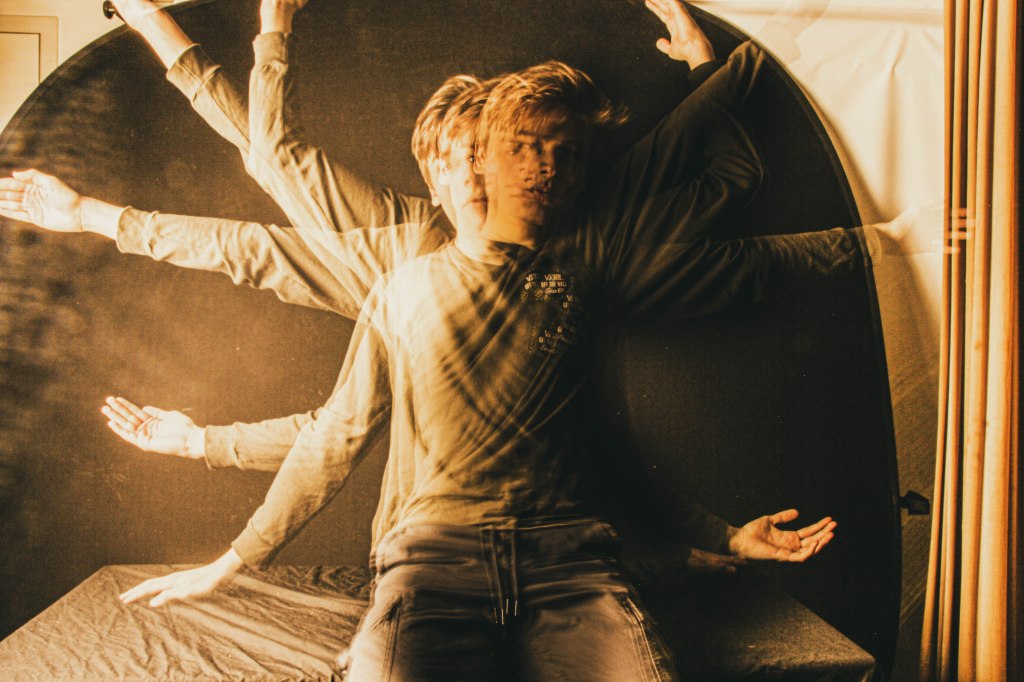
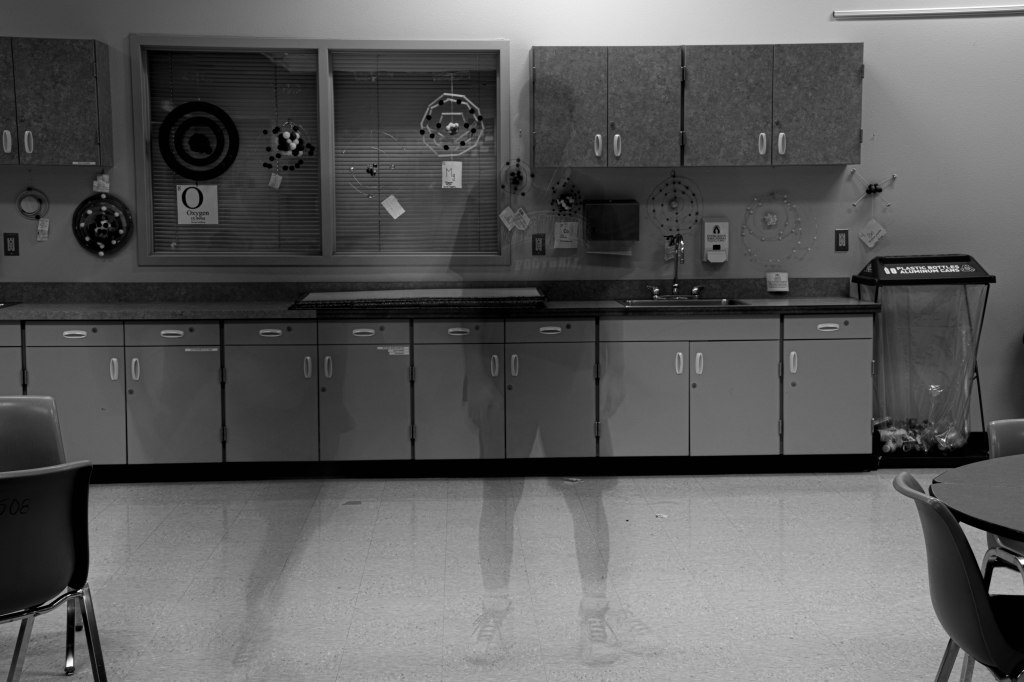
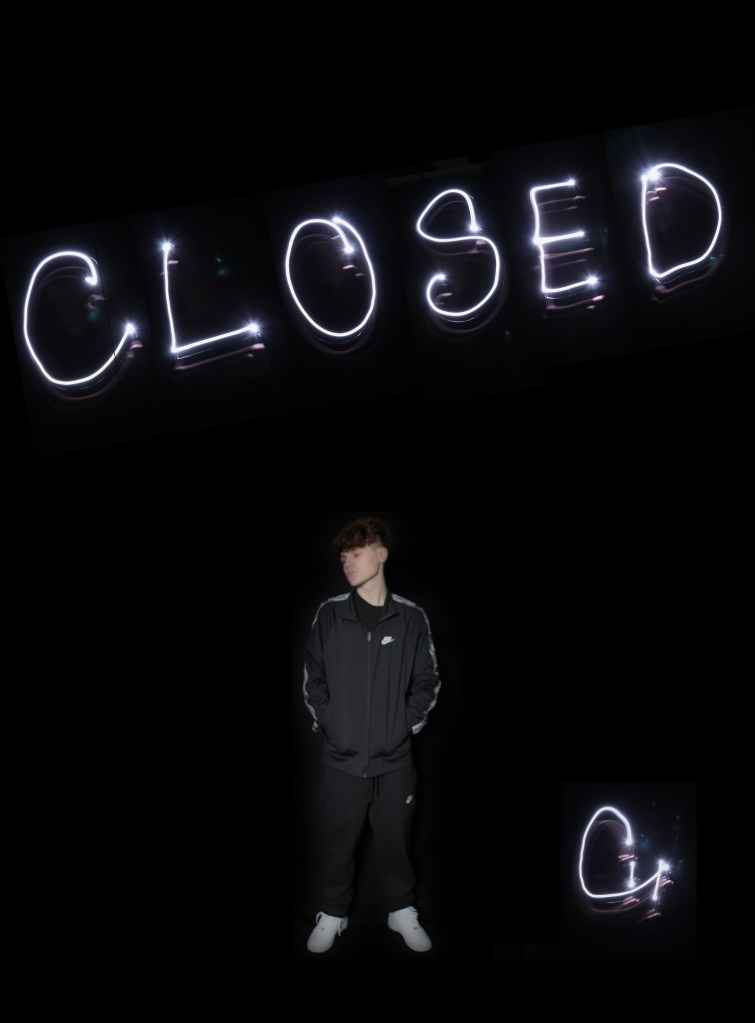
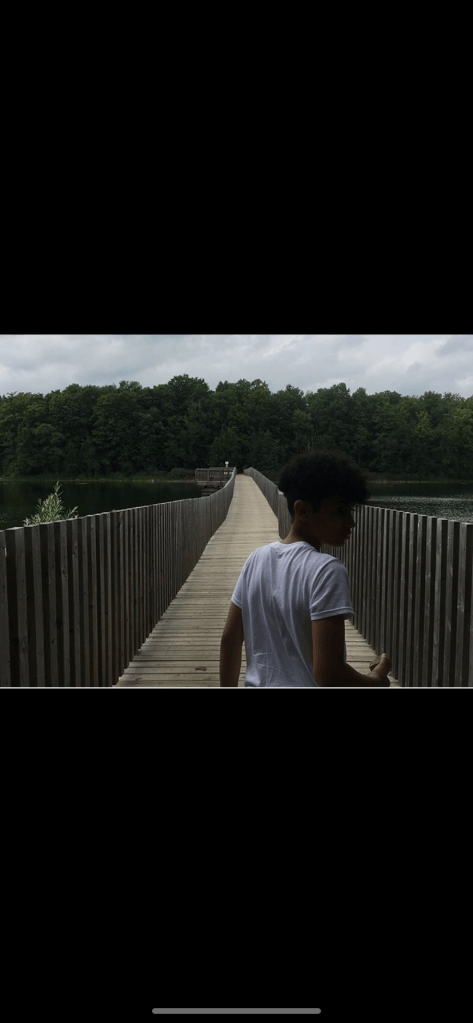
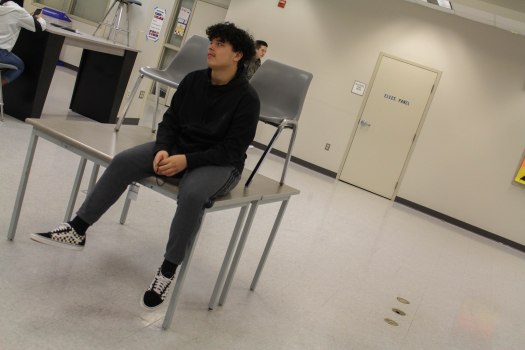
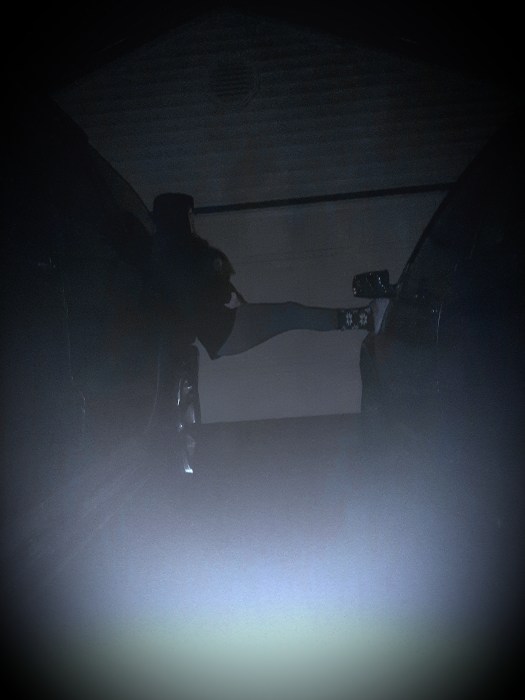
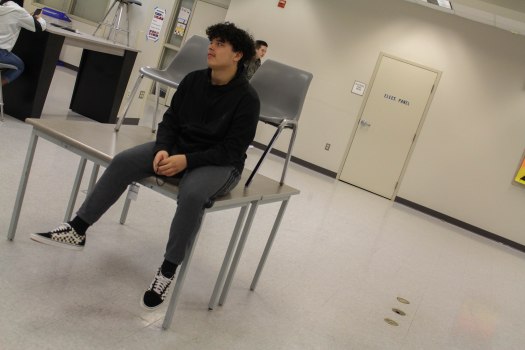
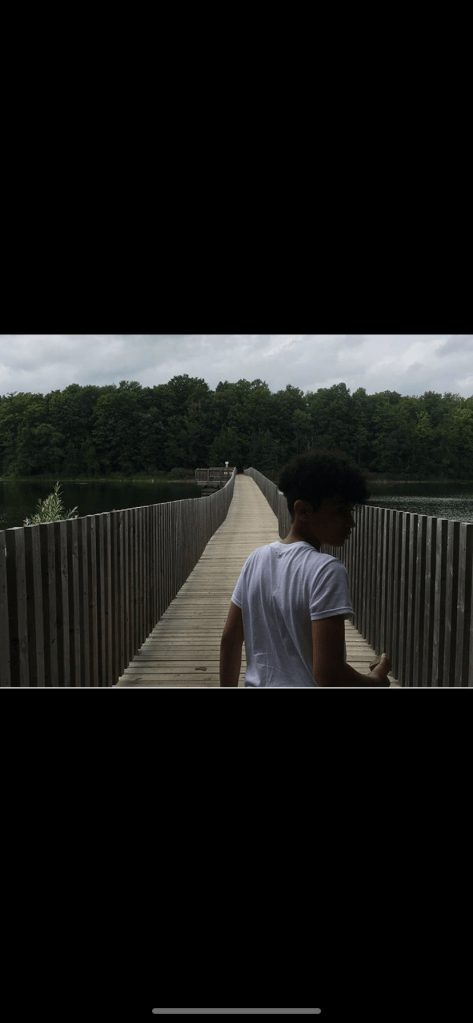
All three of these images were created using slow shutter speed.
There are three types of Special Effects you can make with Slow Shutter Speed:
The Slow Zoom
The slow zoom effect is created by placing the camera on a tripod, having a shutter speed of 3-5 seconds, and slowly zooming in the entire time.
2. Ghosted Image
A ghosted image can be created by placing a camera on a tripod and setting the shutter speed to 2-3 seconds, having the subject stand still for 1-1.5 seconds, then jumping out of the frame.
3. Light Painting
The light painting effect can be created by having a longer shutter speed, like 4-6 seconds in a darkened room, almost black. Move your phone around with the flashlight on. This image is a composite, meaning that each letter is a different image that was combined in Photoshop, then he added the portrait of himself at the end. so this image consists of 8 images.
Step One: Choose an effect you wish to create.
Step Two: Sketch out your idea, be as specific as possible.
Step Three: Grab a tripod! Without stabilization, you will just get a blurry mess.
Step Four: Make your photos.
Step Five: Transfer the images into lightroom.
Step Six: Tweak any of the settings like exposure, contrast, color, etc.
Step Seven :Export your best one as LastName_Slow_shutter.jpg
Final Image is due on Tuesday, 2/18.
What I’ll be grading you on.
Originality of Idea. Don’t just include the effect, have a person interacting with the effect.
How well you pull off the slow shutter speed photo.
Turn in a link into Google Classroom that has your visual journal entry where you post your 7 photos and 7 online examples with one sentence definitions for your Composition Scavenger hunt.
Project is due on TODAY, before the end of the period.
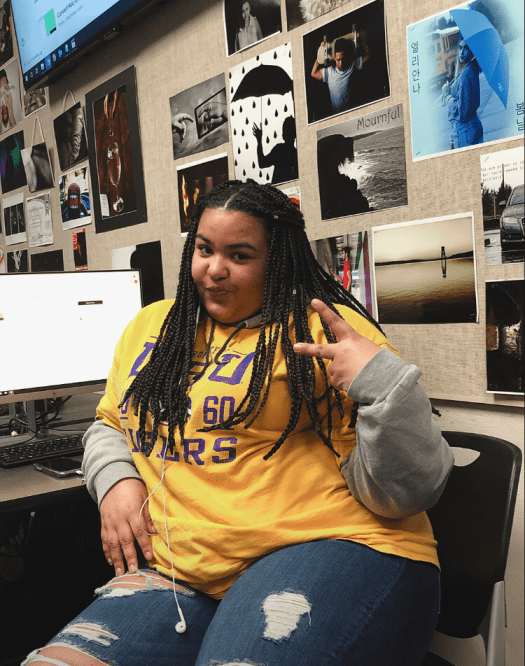
Here are the Mi Familia photos! Take a moment, choose your favorite image based on the way the photographer placed, or composed the subject in the frame. Think about what you learned last week with the composition Scavenger Hunt.
Choose your three favorites, then pick your number one ,save the image to your User Storage folder, upload it to your visual journal and write a paragraph about why you like the photo. Use the composition techniques you learned about from the Scavenger hunt last week.
I can go out in the hallway with my group and take photos for each of the seven composition techniques I researched earlier this week.
I can post all 7 photos that I took to my visual journal. for the image making part of the Composition Scavenger Hunt.
Step by Step:
Strong shows you how to focus on the cameras, how to import photos into Lightroom, and how to export them.
Go out and make seven images for the seven Composition Techniques for Composition Scavenger hunt. Each person needs to take and turn in their own photos.
I can go out in the hallway with my group and take photos for each of the seven composition techniques I researched earlier this week.
I can post all 7 photos that I took to my visual journal. for the image making part of the Composition Scavenger Hunt.
Step by Step:
Strong shows you how to focus on the cameras, how to import photos into Lightroom, and how to export them.
Go out and make seven images for the seven Composition Techniques for Composition Scavenger hunt. Each person needs to take and turn in their own photos.
In your visual journals, research the following topics, You can highlight the text with your mouse, right click and choose search google for. Then find a photographic example of each one. Place these examples and sentences into your visual journal.
Note:You may need to add the words composition or photography in your research.
Rule of Thirds – One sentence definition and an example
Rule of Even & Odd – One sentence and an example
Triangles – One sentence and an example
Space – One sentence and an example
Simplification – One sentence and an example
Symmetry – One sentence and an example
Pattern & Repetition – One sentence and an example
Find 1 sample photo for each of the composition ‘rules’ online which shows good composition. Post each image to your visual journal. Write 7 complete sentences, (with capitals and periods), one sentence under each photo in the caption section to explain what element of composition each photo represents and why.
After reading and reviewing photographic composition make a photograph, using a DSLR or smartphone, make a photo that represents each of the most important ‘rules’ or conventions of composition. Place a caption under each photo stating which composition element you are demonstrating PHOTOS MUST BE PHOTOS THAT YOU TOOK INDIVIDUALLY, NOT AS A GROUP.
Rule of Thirds
Rule of Even & Odd
Triangles
Space
Simplification
Symmetry
Pattern & Repetition
Due Date
Photos are due on Monday, 2/10
You will turn in:
A link to your visual journal that contains the research, photo examples and your photos for each Composition Element.
The seven Composition photos as .jpgs Name them LastName_NameofComposition_Element.jpg. Change the name depending on which composition element you are demonstrating.
Rubric
What I’ll be grading you on.
Completeness of Research
How complete your research is, words.
How complete the photos you found are.
Completeness of your Images
How complete your examples are
Your images are in focus.
How well your examples match up to the Composition Concepts

















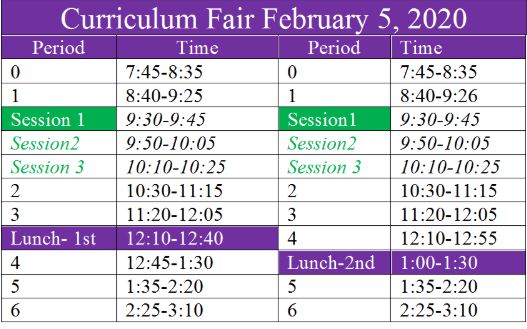
 Strong Photography 19-20